
Inspecting Your Home’s Roof For Damage
How to inspect your home’s roof for damage
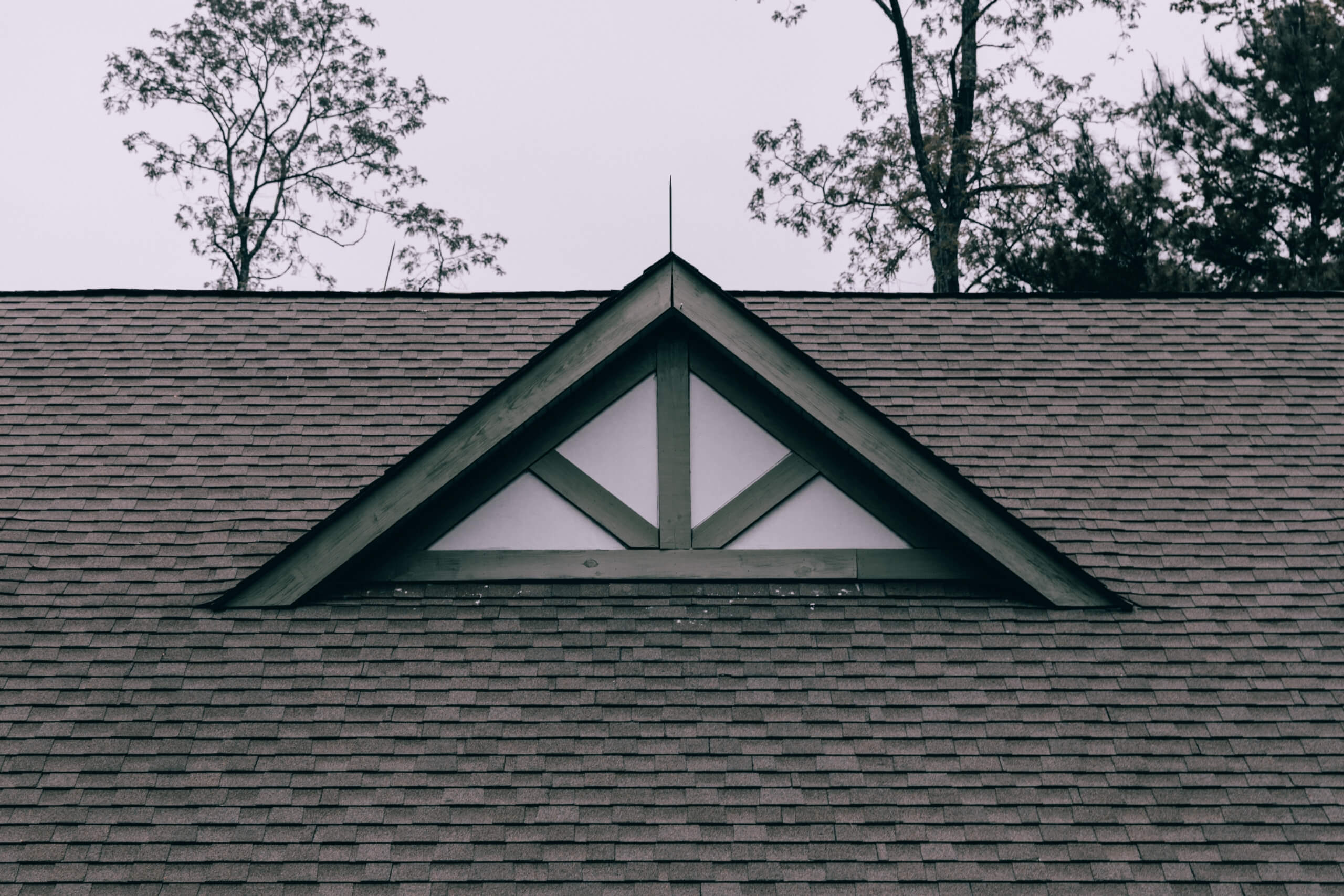 Owning a home is a significant investment, but it requires regular maintenance to protect its value. One crucial aspect of home maintenance is inspecting your roof for any signs of damage. Conducting a yearly roof inspection can help you identify issues early on and prevent costly repairs down the line. Here’s a guide on how to inspect your roof for damages effectively.
Recognize the Importance of Roof Inspections:
Your roof withstands various elements throughout the year, from scorching heat in the summer to heavy rain and snow in the winter. By inspecting your roof regularly, you can prevent potential problems such as water damage, mold growth, pests, and sagging rooflines. Remember, your home insurance may not cover damages caused by deferred maintenance, emphasizing the need for proactive roof inspections.
Focus Areas During Roof Inspections:
When inspecting your roof, pay attention to the following key areas:
- Shingles: Look for missing or damaged shingles caused by wind, hail, or normal wear and tear. Ensure the granules on the shingles are intact, as they play a vital role in keeping water out of your home. Check for signs of curling, cracking, or decay in wood shingles.
- Flashing: Examine the metal pieces, known as flashing, around skylights, walls, and valleys on your roof. Ensure they are undamaged, properly sealed, and free from rust or holes that could lead to water intrusion.
- Flat Roofs: If you have a flat roof, inspect it for any obvious patches, cracks, tears, or blisters, as these can be signs of potential leaks.
- Gutters: Clear your gutters of debris and ensure they are securely attached to your home, preventing water from overflowing and causing damage. Look for any signs of leaks or sagging.
- Chimneys: Check that your chimney cap is secure, and if your chimney is made of brick, inspect for cracks that could allow water to seep in.
- Ventilation: Make sure that ventilation caps are clear of obstructions to maintain proper airflow in your attic and prevent moisture buildup.
Conducting the Roof Inspection:
Inspecting your roof is a relatively straightforward task, but it requires caution and safety measures. Follow these steps:
- Use a sturdy ladder to access your roof safely. Watch out for trip hazards and ensure a stable footing.
- Take your time and carefully examine each area, making note of any visible damage or potential issues.
- If you’re uncomfortable with heights or feel unsure about conducting the inspection yourself, consider hiring a professional roofing contractor for a thorough evaluation.
By conducting a thorough roof inspection, you can identify problems early on and address them promptly. Remember, many issues that go unnoticed during inspections may not be covered by your homeowners insurance, underscoring the importance of regular maintenance.
Taking the time to inspect your roof annually is a small investment compared to the potential cost of significant repairs or damage. Stay proactive in caring for your home by prioritizing regular roof inspections and addressing any issues promptly to protect your investment for years to come.


